Iro Dogs

Get extra information by using this resources

Protecting and enhancing your online presence has become a vital aspect of personal and professional life in today’s digital world. With the internet serving as the first point of reference for many people, the way you are perceived online can significantly influence opportunities, relationships, and credibility. Digital reputation management focuses on monitoring, influencing, and maintaining the way you or your organization appear on various platforms, including social media, review sites, blogs, and search engine results. It involves proactive strategies that ensure your online image reflects your true values and strengths, helping to create a positive impression that cans open doors to new possibilities. One of the key elements in managing your digital reputation is continuous monitoring. Keeping track of what is being said about you online allows you to address issues quickly and prevent potential damage. This involves scanning multiple sources where information about you might appear, identifying any negative or misleading content, and responding appropriately. Monitoring also helps in recognizing trends and sentiments that could impact your image, enabling timely adjustments to your approach or communication. With ongoing vigilance, you can maintain control over your narrative and avoid surprises that might harm your reputation.

Digital Reputation Solutions

Addressing negative content is an essential part of digital reputation management. Negative reviews, misleading information, or unfavorable comments can quickly spread and create a lasting negative impression if left unchecked. Strategies to manage such situations include clarifying misunderstandings, engaging constructively with critics, and Eliminar y borrar nombre de Google e internet providing accurate and positive information that balances or outweighs the negative content. This process requires sensitivity and professionalism, as mishandling such interactions can escalate the issue further. Successfully managing negative content not only protects your reputation but also demonstrates transparency and a commitment to improvement. Building a positive online presence involves creating and sharing high-quality, relevant content that showcases your expertise, values, and accomplishments. This content serves as the foundation for your digital identity and helps push down less favorable material in search results.

By actively contributing valuable insights, participating in industry conversations, and maintaining a consistent voice across platforms, you establish authority and trustworthiness. This positive content becomes a digital asset, enhancing how others perceive you and making a strong case for your credibility and professionalism. Social media platforms play a crucial role in shaping your online reputation. They offer opportunities to engage directly with your audience, build relationships, and demonstrate your personality and values. Effective management of these channels includes regular updates, thoughtful interactions, and strategic sharing of information that aligns with your desired image. Being responsive and authentic on social media helps foster loyalty and respect, which can translate into long-term benefits. At the same time, it is important to be mindful of privacy settings and the type of content shared to avoid unintentional harm to your reputation.

The atmosphere of a space has a powerful impact on emotional well-being, and thoughtful design can promote calmness, comfort, and clarity. Achieving this balance involves a blend of elements such as color, lighting, texture, furniture layout, and personal expression all contributing to a cohesive and peaceful environment. Color plays a foundational role in setting the tone for any space. Soft, muted tones like gentle blues, calming greens, warm beiges, and soft greys evoke a sense of serenity. These hues are soothing to the eye and help reduce visual noise. Using a consistent color palette throughout the home can also promote unity and make transitions between rooms feel more natural and seamless. Accent colors can be used sparingly to introduce interest, but it is best to keep them within a harmonious range to maintain the tranquil effect. Lighting is another key factor in creating a calming atmosphere. Natural light enhances the sense of openness and freshness, while soft artificial lighting can add warmth and intimacy. Avoiding harsh fluorescent lights in favor of warm-toned bulbs, dimmable fixtures, and layered lighting such as a combination of ceiling lights, floor lamps, and table lamps allows for greater control over mood and ambiance.

Cozy Layered Textures

In bedrooms and relaxation areas, indirect lighting or wall sconces create a soothing glow that supports rest and unwinding. Furniture selection and placement contribute significantly to the flow and functionality of a room. Minimal, uncluttered furniture arrangements encourage open space and easier movement, which in turn fosters a sense of ease. Choose pieces that are not only beautiful but also comfortable and proportionate to the size of the room. Natural materials such as wood, linen, cotton, and rattan add a tactile sense of warmth and connection to nature, which is known to have calming effects on the mind. Textures and layers enhance the sensory experience of a space, making it feel more welcoming and grounded. Incorporating soft rugs, cozy throws, plush cushions, and fabric curtains can create a comforting and inviting feel. These elements not only contribute to visual softness but also absorb sound, making the room feel quieter and more intimate.

The use of organic shapes and gentle curves in decor and furniture also softens the overall look, avoiding sharp edges and rigid lines that can disrupt visual harmony. Personal touches add soul to a room without disrupting its tranquility. Carefully chosen artwork, meaningful objects, and a few well-placed indoor plants can infuse life into the space while still aligning with a calming aesthetic. Plants in particular enhance air quality and bring in a sense of vitality and connection with nature. Ultimately, creating a tranquil and visually harmonious home is about intentional simplicity. It involves curating items that support a peaceful mindset and allowing each room to breathe. When the environment supports clarity and relaxation, it becomes easier to recharge, focus, and enjoy everyday life. Whether you are designing a bedroom, living area, or workspace, the principles of calm color schemes with rustic lighting UK, thoughtful lighting, natural textures, and uncluttered layouts can transform your home into a sanctuary of serenity.

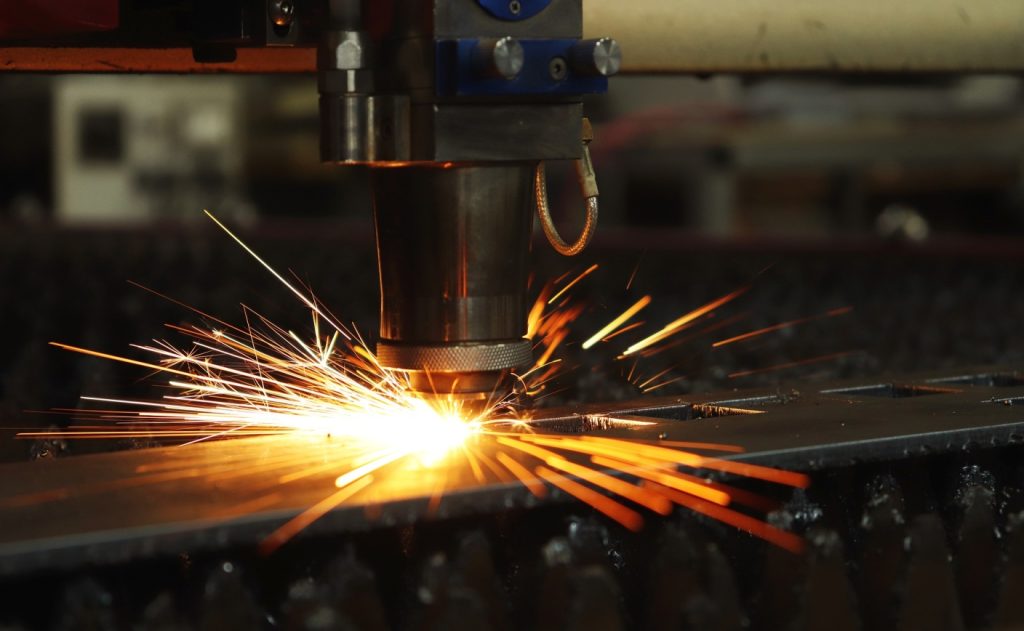
CNC machining has revolutionized the manufacturing industry by significantly enhancing productivity, especially in handling complex manufacturing tasks. The precision and automation capabilities inherent in CNC Computer Numerical Control machines allow manufacturers to produce highly intricate components with exceptional accuracy and consistency. Unlike traditional manual machining, CNC systems operate through computer programming, which controls the movement of tools and machinery, eliminating much of the human error and variability typically associated with manual operations. This automation reduces setup times and accelerates the manufacturing process, allowing businesses to meet tight deadlines and produce large volumes without compromising quality. One of the key advantages of CNC machining is its ability to handle complex designs that would be extremely difficult or even impossible to achieve with conventional methods. This includes intricate geometries, tight tolerances, and multi-axis machining that can create parts with complex contours and internal structures.

CNC Machining Services

This foresight reduces waste and rework, which are critical factors in maintaining efficiency in manufacturing environments. By minimizing trial and error, CNC machining ensures that each part is produced right the first time, enhancing overall productivity. Moreover, cnc vs manual machining operate continuously with minimal supervision, which means they can work around the clock if necessary. This capability is invaluable for meeting high demand and shortening lead times. Because CNC machines can switch quickly between different tasks through simple program changes, manufacturers enjoy greater flexibility in production. They can easily shift from one complex part to another without extensive downtime, making it possible to handle diverse manufacturing requirements within the same facility. This flexibility is particularly beneficial for industries such as aerospace, automotive, and medical devices, where precision and complexity go hand in hand with varying production volumes. Another important aspect of productivity improvement through CNC machining is the integration of advanced materials and technologies. As technology advances, CNC machining continues to evolve, further expanding its capacity to enhance productivity and meet the growing challenges of complex manufacturing environments.

Uneed CNC machines can work with a broad range of materials, from metals like aluminum, titanium, and stainless steel to plastics and composites. This versatility allows manufacturers to choose the best material for a given application without sacrificing the precision or efficiency of the machining process. Additionally, innovations such as multi-axis machining centers and simultaneous five-axis machining enable the production of highly detailed parts in fewer setups, reducing the time and labor required. This leads to faster turnaround times and a streamlined manufacturing workflow. CNC machining also contributes to reducing human labor costs and improving workplace safety. Since much of the work is automated and controlled by computer programs, operators are less exposed to potentially hazardous environments and repetitive manual tasks. This not only protects workers but also allows skilled personnel to focus on higher-value activities like programming, quality control, and process optimization. The software used to program CNC machines can simulate the machining process, optimize tool paths, and anticipate potential issues before production begins.