CNC machining has revolutionized the manufacturing industry by significantly enhancing productivity, especially in handling complex manufacturing tasks. The precision and automation capabilities inherent in CNC Computer Numerical Control machines allow manufacturers to produce highly intricate components with exceptional accuracy and consistency. Unlike traditional manual machining, CNC systems operate through computer programming, which controls the movement of tools and machinery, eliminating much of the human error and variability typically associated with manual operations. This automation reduces setup times and accelerates the manufacturing process, allowing businesses to meet tight deadlines and produce large volumes without compromising quality. One of the key advantages of CNC machining is its ability to handle complex designs that would be extremely difficult or even impossible to achieve with conventional methods. This includes intricate geometries, tight tolerances, and multi-axis machining that can create parts with complex contours and internal structures.
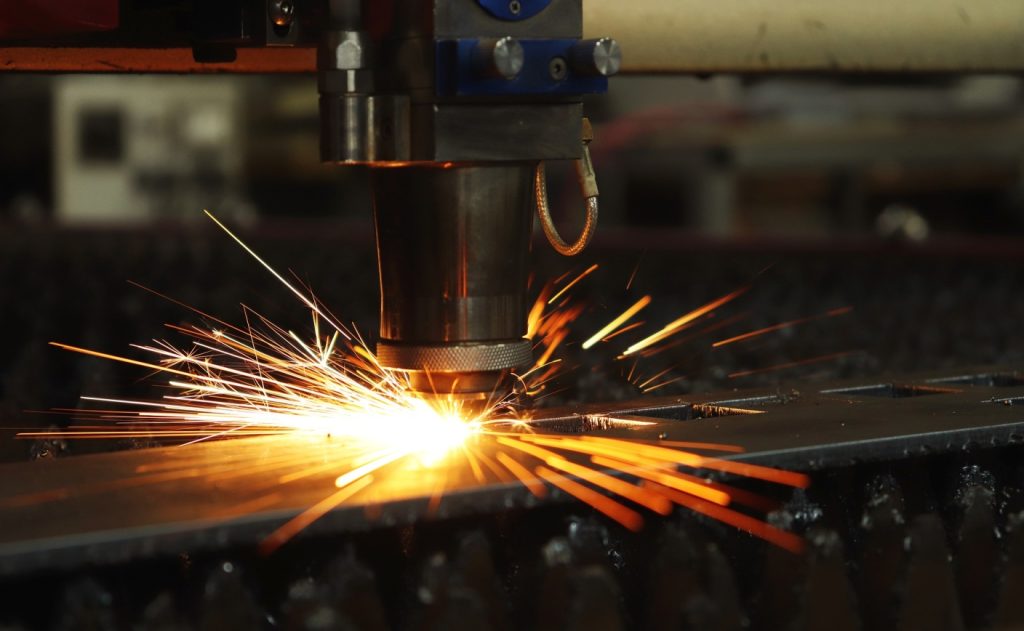
This foresight reduces waste and rework, which are critical factors in maintaining efficiency in manufacturing environments. By minimizing trial and error, CNC machining ensures that each part is produced right the first time, enhancing overall productivity. Moreover, cnc vs manual machining operate continuously with minimal supervision, which means they can work around the clock if necessary. This capability is invaluable for meeting high demand and shortening lead times. Because CNC machines can switch quickly between different tasks through simple program changes, manufacturers enjoy greater flexibility in production. They can easily shift from one complex part to another without extensive downtime, making it possible to handle diverse manufacturing requirements within the same facility. This flexibility is particularly beneficial for industries such as aerospace, automotive, and medical devices, where precision and complexity go hand in hand with varying production volumes. Another important aspect of productivity improvement through CNC machining is the integration of advanced materials and technologies. As technology advances, CNC machining continues to evolve, further expanding its capacity to enhance productivity and meet the growing challenges of complex manufacturing environments.
Uneed CNC machines can work with a broad range of materials, from metals like aluminum, titanium, and stainless steel to plastics and composites. This versatility allows manufacturers to choose the best material for a given application without sacrificing the precision or efficiency of the machining process. Additionally, innovations such as multi-axis machining centers and simultaneous five-axis machining enable the production of highly detailed parts in fewer setups, reducing the time and labor required. This leads to faster turnaround times and a streamlined manufacturing workflow. CNC machining also contributes to reducing human labor costs and improving workplace safety. Since much of the work is automated and controlled by computer programs, operators are less exposed to potentially hazardous environments and repetitive manual tasks. This not only protects workers but also allows skilled personnel to focus on higher-value activities like programming, quality control, and process optimization. The software used to program CNC machines can simulate the machining process, optimize tool paths, and anticipate potential issues before production begins.