Indoor air quality is essential for health and comfort. Many people suffer from allergies caused by dust, pollen, mold spores, and other airborne irritants that enter homes through windows. Window film can play a significant role in reducing these allergens and improving the air inside. By blocking harmful particles and regulating sunlight, window films help create a healthier living environment. This article explains how window film works to minimize allergens and boost indoor air quality, offering clear benefits for allergy sufferers and anyone who wants cleaner air indoors.
How Window Film Minimizes Allergens
Window films are thin layers of material applied to glass surfaces. They serve several purposes, including reducing heat, blocking UV rays, and increasing privacy. One important but less known benefit is their ability to reduce allergens inside the home:
- Blocking Pollen and Dust: Window film acts as a barrier that limits the entry of pollen and dust, common triggers for allergic reactions.
- Reducing Mold Growth: By controlling sunlight and moisture levels, window film helps prevent mold, which thrives in damp, warm environments.
- Lowering Outdoor Irritants: Flexippf window films can reduce the amount of outdoor pollutants that enter through cracks or unsealed windows.
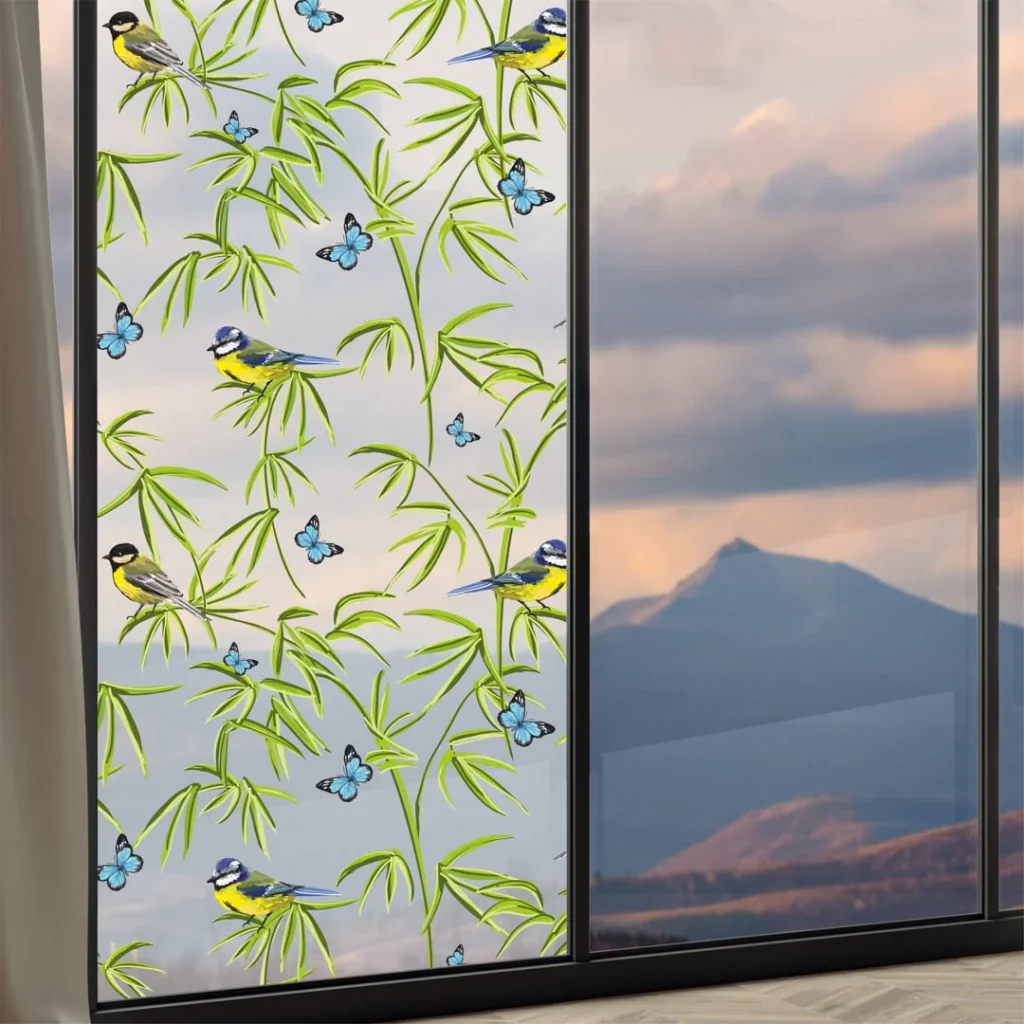
How Window Film Improves Indoor Air Quality
Indoor air quality depends on how much clean air circulates inside and how well contaminants are kept out. Window films contribute to better air quality in these ways:
- UV Protection: Harmful UV rays can damage indoor surfaces, releasing particles into the air. Window film blocks up to 99% of UV rays, reducing this risk.
- Temperature Control: Window films help maintain a stable indoor temperature, reducing condensation that encourages mold growth and dust mites.
- Energy Efficiency: By improving insulation, window films reduce the need to open windows for cooling, which lowers the chances of outdoor allergens entering the home.
Additional Benefits of Window Film for Allergies and Air Quality
- Easy Maintenance: Window films are easy to clean, which helps keep window areas free from dust buildup.
- Cost-Effective: Installing window film is often more affordable than other home improvement options for air quality.
- Non-Toxic Solution: Unlike some air filters or sprays, window films do not emit chemicals or pollutants.
By using window film, homeowners can create a healthier indoor environment. This simple addition protects against common allergens and supports cleaner air, making it a practical choice for improving overall indoor air quality. Whether for allergy relief or general health, window film offers multiple benefits that enhance comfort and well-being inside any space.
- Window film blocks pollen, dust, and other allergens from entering through windows.
- It helps reduce mold growth by controlling sunlight and moisture.
- UV rays are blocked, preventing damage that could worsen indoor air quality.
- Window films stabilize indoor temperatures and reduce condensation.
- They help lower outdoor pollutants from entering by reducing the need to open windows.
- Easy to maintain, cost-effective, and chemical-free solution for better indoor air.