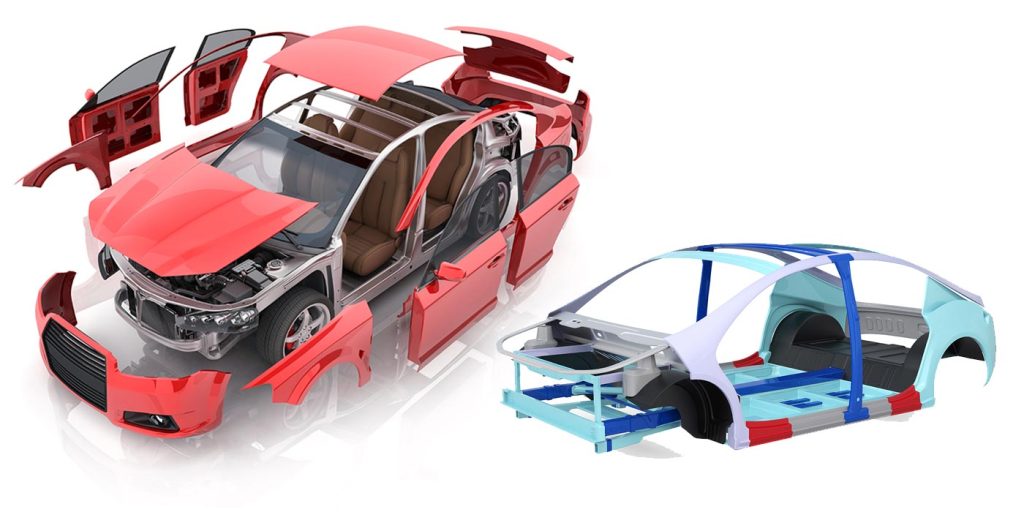
The automotive world has seen significant evolution over the years, and unibody construction stands out as a key innovation. Unlike traditional body-on-frame designs, unibody vehicles integrate the body and frame into a single structure. This approach delivers unparalleled benefits in ride quality, comfort, and safety, making it a preferred choice for modern vehicles.
Superior Ride Quality
Unibody construction dramatically improves the driving experience. The integrated design reduces vehicle weight, which directly contributes to smoother handling and better fuel efficiency. Drivers and passengers notice fewer vibrations and jolts, even on uneven surfaces. Comparing unibody vs body on frame vehicles helps buyers understand structural differences and safety benefits. Key factors contributing to superior ride quality include:
- Enhanced suspension integration: The unibody structure allows for more precise suspension tuning, resulting in better road absorption and stability.
- Reduced vehicle weight: A lighter vehicle reacts more efficiently to steering inputs and maintains better traction.
- Lower center of gravity: This improves cornering stability and overall driving confidence.
By optimizing these aspects, unibody vehicles offer a refined and enjoyable ride for all passengers.
Elevated Comfort for All Occupants
Comfort is a hallmark of unibody vehicles, thanks to the design’s inherent structural advantages. The seamless construction minimizes noise, vibration, and harshness NVH, creating a serene cabin environment. Passengers benefit from:
- Spacious interior layout: The absence of a separate frame allows for more flexible cabin design and greater legroom.
- Improved ride smoothness: Vibrations from the road are absorbed more effectively, reducing fatigue on long journeys.
- Better seating ergonomics: Manufacturers can design seats that complement the vehicle’s integrated structure, enhancing support and comfort.
This focus on comfort ensures that every trip feels effortless and enjoyable, whether commuting or traveling long distances.
Enhanced Safety Features
Safety is a primary consideration in unibody vehicles. The unified frame-body structure distributes crash forces more evenly, protecting occupants in the event of a collision. Notable safety advantages include:
- Crumple zones: Engineered areas absorb impact energy, reducing force transferred to passengers.
- Reinforced passenger cabin: The integrated design creates a strong safety cell, minimizing deformation during accidents.
- Advanced stability control: The lighter, stiffer structure enhances electronic safety systems, including traction control and anti-lock braking.
These features collectively elevate protection and provide peace of mind for drivers and passengers alike.
Conclusion
Unibody vehicles offer a perfect combination of smooth ride, superior comfort, and advanced safety. By integrating the body and frame, manufacturers can create lighter, stronger, and more efficient vehicles that respond better on the road. Whether navigating urban streets or cruising on highways, unibody construction delivers a driving experience that is both enjoyable and secure. Lightweight yet strong car body material improves vehicle performance and fuel efficiency significantly.
Key Benefits at a Glance:
- Smooth, stable ride with precise handling
- Enhanced interior comfort and reduced fatigue
- Advanced safety features with reinforced crash protection
- Better fuel efficiency and lighter overall weight
- Optimized suspension and improved stability
Overall, unibody vehicles represent a forward-thinking approach to automotive design, balancing performance, comfort, and safety in a single, cohesive structure.